Zero Waste. Full Circle. Every Time.
IBC Tote Recycling Services
When an IBC tote has reached the end of its usable life — cracked bottle, collapsed cage, contamination that cannot be cleaned — it does not have to end up in a landfill. Our recycling program breaks every tote down to its raw materials and feeds them back into the manufacturing stream. The HDPE becomes new plastic products. The steel gets melted and reformed. The wood pallet gets repaired or chipped. Nothing is wasted.
The Problem
What Happens When Totes Go to Landfill
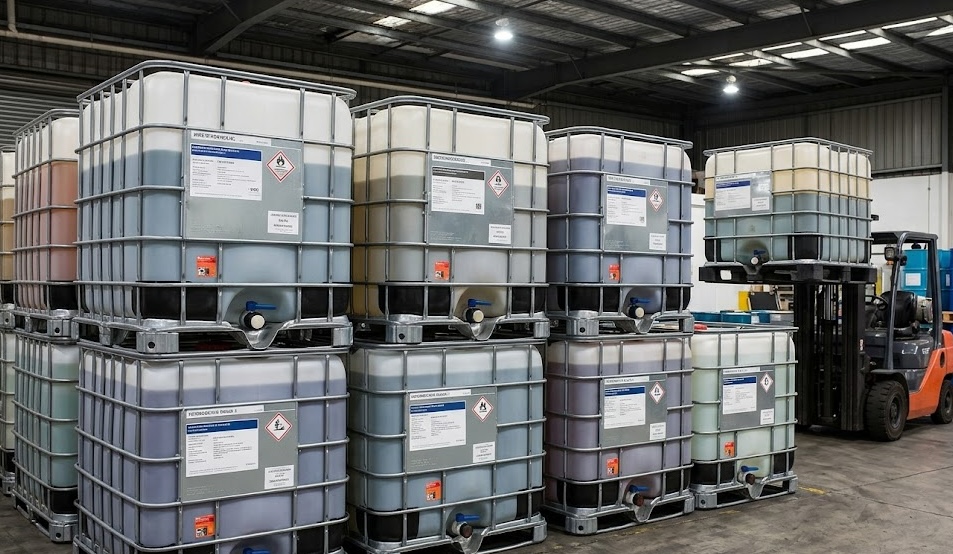
An IBC tote is a composite product made from three main materials: a high-density polyethylene (HDPE) plastic bottle weighing approximately 75 pounds, a galvanized steel cage weighing 55-70 pounds, and a wooden or plastic pallet base weighing 30-50 pounds. When a single tote goes to a landfill, here is what happens:
- ×HDPE plastic takes 500+ years to decompose, slowly leaching microplastics into soil and groundwater
- ×Galvanized steel occupies space indefinitely and wastes the energy-intensive smelting process that created it
- ×Treated wood releases preservative chemicals as it degrades over decades
- ×Residual chemicals in unwashed totes contaminate surrounding soil and water tables
- ×The total embedded energy lost per tote in landfill equals approximately 320 kWh — enough to power a home for 11 days
Annual IBC Waste in the USA
Our Recycling Process
Every IBC tote that enters our recycling program goes through a rigorous, documented process. Here is exactly what happens from the moment a tote arrives at our facility:
Step 1: Collection & Receiving
Totes arrive at our facility via our pickup fleet or customer delivery. Each tote is logged into our tracking system with a unique ID. We photograph the tote, record its condition, and note any labels or markings indicating previous contents. This documentation is critical for hazardous material identification and chain-of-custody records.
Step 2: Assessment & Sorting
Every incoming tote is assessed by our team. Totes that can still be reused or reconditioned are diverted to those programs — recycling is reserved for containers that have truly reached end-of-life. Totes are sorted by previous content type (food-grade, chemical, hazardous, unknown) to determine the appropriate handling protocol. Hazmat totes are isolated and processed separately under stricter controls.
Step 3: Residual Content Removal
Before disassembly, any remaining product is drained from the tote. Food-grade residuals are disposed of through standard wastewater treatment. Chemical residuals are collected and sent to licensed chemical waste processors. The bottle interior is rinsed to remove clinging product. All rinse water from chemical totes is captured and treated — nothing goes down the drain untreated.
Step 4: Disassembly
The tote is broken down into its three primary components. The HDPE bottle is unbolted or cut from the steel cage. The cage is separated from the pallet base. Valves, caps, gaskets, and any metal fittings are removed from the bottle. This manual disassembly ensures clean material separation — no contamination between plastic, steel, and wood streams.
Step 5: Material Separation & Processing
Each material stream goes to its dedicated processing line. HDPE bottles are fed through an industrial shredder, washed in a hot-water friction wash system, and converted into clean HDPE flake or pellets. Steel cages are cut, compressed into bales, and sent to steel mills for melting and reforming. Wood pallets in good condition are repaired for reuse; damaged pallets are chipped for landscaping mulch or biomass fuel.
Step 6: Quality Control & Output
Recycled HDPE pellets are tested for purity and melt-flow index to ensure they meet manufacturing specifications. Steel bales are weighed and graded. All output materials are documented and sold to downstream manufacturers who turn them into new products — everything from drainage pipes and plastic lumber to automotive parts and new steel products.
Detailed Material Breakdown
Here is exactly what happens to every pound of material recovered from each IBC tote we recycle, from disassembly through to its next life as a new product.
HDPE Plastic Bottle (~75 lbs per tote)
The inner bottle is made from high-density polyethylene (HDPE), the same #2 plastic used in milk jugs and detergent bottles. At approximately 75 lbs per bottle, the HDPE is the single most valuable recyclable component of an IBC tote.
Recycled into: Drainage pipes, plastic lumber, recycled-content bottles, agricultural film, playground equipment, and industrial pallets.
Galvanized Steel Cage (~55-70 lbs per tote)
The external cage is constructed from tubular galvanized carbon steel, typically weighing 55-70 lbs. Steel is infinitely recyclable without degradation of properties.
Recycled into: Automotive components, structural steel, appliances, and new IBC cage frames. Recycling steel uses 74% less energy than producing from iron ore.
Wood Pallet Base (~30-50 lbs per tote)
Most IBC totes sit on a hardwood pallet, typically oak or pine, weighing 30-50 lbs.
Recycled into: Landscape mulch, animal bedding, biomass fuel, and particleboard.
Valves, Fittings & Hardware (~3-5 lbs)
Butterfly valves, ball valves, camlock fittings, cap assemblies, and cage bolts made from polypropylene, brass, stainless steel, or aluminum.
Recycled into: Respective metal and polymer streams for remanufacturing.
Environmental Impact Dashboard
When you recycle a single IBC tote through our program instead of sending it to a landfill, you prevent approximately 180 lbs of CO2 emissions, conserve 320 kWh of energy, save 1,200 gallons of water that would have been used in new material production, and keep 160+ lbs of material in the circular economy. Multiply that by the thousands of totes we process annually, and the impact is significant.
Lifecycle Comparison Chart
| Metric | Our Recycling | Landfill | Incineration |
|---|---|---|---|
| Material Recovery | 100% | 0% | 0% (energy only) |
| CO2 Emissions | -180 lbs (net reduction) | +95 lbs | +210 lbs |
| Energy Balance | +320 kWh saved | -320 kWh lost | +40 kWh recovered |
| Water Impact | 1,200 gal conserved | Groundwater risk | Minimal |
| Toxic Release | Zero | Microplastic leaching | Dioxin/furan risk |
| Cost to Generator | Revenue (we pay you) | $50-100+ per tote | $75-150+ per tote |
| Compliance Docs | Full certificate | Manifest only | Destruction cert |
| ESG Score Impact | Positive | Negative | Neutral to negative |
Regulatory Compliance
EPA / RCRA Compliance
We operate under the Resource Conservation and Recovery Act framework. Our facility maintains EPA generator identification numbers where required. Empty container management follows RCRA 40 CFR 261.7, and hazardous waste containers are managed under applicable waste classification regulations. We maintain manifest records for all hazardous waste shipments.
DOT Transportation
Transportation of used containers falls under Department of Transportation regulations (49 CFR). Our drivers are trained and certified for hazmat transport. Vehicles carry proper placarding, emergency response information, and spill containment equipment. All shipping documentation complies with DOT hazardous materials regulations.
Clean Water Act
All wash water and rinse water is captured, tested, and treated before discharge. We operate under an industrial stormwater permit. Our wash water reclamation system recycles process water, reducing freshwater consumption. Chemical rinse water from hazmat totes is containerized and sent to licensed treatment facilities.
OSHA Workplace Safety
Our facility meets all OSHA standards for industrial operations including PPE requirements, machine guarding, lockout/tagout, hazard communication, and respiratory protection. We maintain a written safety program, conduct regular audits, and provide ongoing training for all employees.
State Regulations
We maintain current waste management permits in all operating states. Our North Carolina operations comply with NC DEQ requirements for solid waste processing facilities. We comply with the most stringent applicable regulation in every jurisdiction.
Third-Party Audits
We undergo regular third-party environmental compliance audits covering waste handling, wastewater treatment, air emissions, employee safety, and record-keeping. Audit reports are available to customers who need vendor compliance verification for their own due diligence.
Hazardous Material Tote Handling Protocol
Phase 1: Pre-Pickup
We collect UN numbers, SDS sheets, and shipping documentation. Our hazmat coordinator determines required PPE, transport classifications, and decontamination protocol before dispatching a crew with the right equipment and certifications.
Phase 2: Certified Transport
CDL drivers with hazmat endorsements transport on properly placarded vehicles with hazardous materials shipping papers, emergency response information, and spill containment kits rated for the specific chemicals.
Phase 3: Isolated Receiving
Hazmat totes are directed to our dedicated containment area featuring secondary containment, chemical-resistant drainage, ventilation, eye wash stations, and emergency showers. Totes are staged by chemical compatibility groups.
Phase 4: Residual Removal
Remaining hazardous product is drained into DOT-approved containers. Acidic residuals are neutralized, solvent residuals captured for recovery. Drained residuals are manifested and shipped to licensed TSDF operations with complete cradle-to-grave chain of custody.
Phase 5: Decontamination
EPA-compliant triple rinsing with the appropriate rinse agent. Each cycle fills to 25% capacity, agitates, and drains completely. All rinse water is captured, tested, and treated. Decontamination is confirmed before standard recycling disassembly.
Phase 6: Documentation
Every hazmat tote receives: original SDS, transport manifests, rinse water test results, decontamination confirmation, and Certificate of Recycling. This package satisfies EPA auditors, insurance underwriters, and corporate compliance teams.
Documentation You Can Trust
Certificate of Recycling
For every recycling transaction, we provide a formal Certificate of Recycling documenting totes processed, date of recycling, materials recovered, and compliance confirmation.
Use cases for this certificate:
- ✓Corporate ESG reporting
- ✓EPA and state compliance audits
- ✓ISO 14001 documentation
- ✓Customer-facing sustainability claims
- ✓Internal waste diversion tracking
- ✓Insurance and liability documentation
Certificate of Recycling
Official documentation including material breakdown, processing date, compliance confirmation, and environmental impact metrics.
Available for every transaction at no additional cost
Corporate Sustainability Reporting Support
GRI Standards
Our data maps to GRI 306 (Waste) disclosures. We provide waste diversion tonnage, recycling rates by material type, and disposal method documentation for direct integration into GRI reports.
CDP Reporting
Per-tote CO2 savings calculations contribute to Scope 3 emissions reduction claims. We provide emissions factors and methodology documentation for CDP verification.
SASB Metrics
We track specific material recovery quantities that SASB-aligned disclosures require, supporting your sustainability accounting standards.
Science-Based Targets
Our verified emissions avoidance data supports your SBT commitments for waste-related emissions reduction targets.
Zero-Waste Certifications
Our 100% material recovery rate contributes to TRUE Zero Waste certification. Documentation satisfies third-party auditor requirements.
Annual Impact Reports
Consolidated annual reports summarizing total totes recycled, materials recovered, energy conserved, CO2 prevented, and water saved for direct integration into sustainability disclosures.
ESG Success Stories
Pharmaceutical
Multi-Site Pharma Manufacturer
A pharmaceutical company sending 800+ IBC totes to landfill annually implemented our recycling program across four sites. Achieved 100% diversion, documented 12-ton annual landfill reduction, and now uses our impact data directly in CDP and GRI filings toward their 90% waste diversion goal.
Totes Diverted/Year
Diversion Rate
Chemical Manufacturing
Specialty Chemical Producer
A specialty chemical manufacturer paying $120/tote for hazmat disposal of 300 annual totes switched to our program. We processed every tote under hazmat protocol with full chain-of-custody documentation, reducing their disposal costs by 60% while achieving full material recovery.
Cost Reduction
Hazmat Totes/Year
Food & Beverage
National Beverage Distributor
Committed to Science-Based Targets, this distributor documented 90+ tons of verified CO2 savings annually by routing all end-of-life IBCs through our program. Data enabled meaningful SBT progress claims highlighted in their annual ESG report to shareholders.
CO2 Prevented/Year
Progress Documented
Recycling FAQ
What types of IBC totes can be recycled?
We recycle all types: composite (HDPE in steel cage), all-plastic, steel, and stainless steel IBCs. Any size from 120 to 550 gallons. Any condition, from clean food-grade to severely damaged or contaminated hazmat containers. If it is an IBC, we can recycle it. The handling protocol and recovered value vary by previous contents and condition.
Is there a minimum quantity for recycling pickup?
No hard minimum, but economics favor larger quantities. Free pickup for 20+ totes within our standard service area. Smaller quantities can be delivered to 5809 Long Creek Park Dr, Charlotte, NC 28269. For hazmat totes, pickup is available for any quantity due to the specialized handling required. We always quote honestly and help find the most cost-effective solution.
Do I get paid for totes going to recycling?
For totes in resalable condition, yes, through our buying program. For true end-of-life totes, payment depends on condition. Clean non-hazmat totes with intact cages still have material value. Heavily damaged or hazmat totes may be net-zero cost. In all cases you avoid the $50-100+ per tote disposal fees a waste hauler would charge, which is an effective savings even at zero payment.
How do you handle totes with unknown contents?
Unknown totes are staged in our assessment area. We inspect visually and by odor, check for residual labeling, and can perform pH and reactivity testing. Unidentifiable totes are treated conservatively under our chemical protocol until testing clears them. Our product code database helps identify unknowns about 80% of the time.
What documentation do I receive?
Every transaction generates a Certificate of Recycling with: tote count and type, processing date, material weights recovered (HDPE, steel, wood), EPA-compliance confirmation, and environmental impact metrics. Hazmat totes receive chain-of-custody documentation and manifests. Recurring accounts get consolidated annual impact reports.
Can you process totes that held radioactive materials?
No. Radioactive waste requires NRC-licensed specialized facilities outside our scope. Contact your state radiation control program for guidance. We can refer you to licensed radioactive waste management companies if needed.
How long does the recycling process take?
Standard non-hazmat totes are fully processed within 5-10 business days. Hazmat totes require 10-15 days for decontamination testing. Certificates are issued within 3 days after processing. Large volumes (100+) may be staged over multiple weeks. We communicate timelines upfront and provide status updates.
What happens to the recycled HDPE?
Recycled HDPE flake and pellets are sold to downstream manufacturers producing drainage pipes, plastic lumber, recycled-content bottles, agricultural film, and playground equipment. We can connect you with downstream partners if you want to source recycled-content products. Some customers have closed the loop by purchasing products made partly from their own returned totes.
Can you provide on-site recycling services?
Our primary operations are at our Charlotte facility. For very large volumes (500+ totes) or ongoing programs, we can discuss on-site mobile recycling with shredding equipment at your location. This eliminates bulk transportation costs and reduces overall carbon footprint. Evaluated case-by-case based on volume, location, and tote condition.
How do I verify totes are actually recycled and not landfilled?
Transparency is fundamental. Every tote gets a unique tracking ID. We photograph disassembly, weigh separated materials, and document downstream buyers. Certificates include specific material weights. We welcome customer audits. Third-party environmental audits verify our diversion rates annually. We have never sent a tote to landfill.
Industries We Serve
Our recycling program serves businesses across every industry that uses IBC totes. Here is how we tailor our services to meet sector-specific requirements.
Food & Beverage
Manufacturers, distributors, and co-packers generating end-of-life food-grade IBCs. We track previous contents to ensure food-grade totes are separated from industrial containers in our recycling stream. The HDPE from food-grade totes commands premium recycling value due to its purity and known history.
Chemical Manufacturing
Producers and distributors of industrial chemicals, cleaning products, and specialty formulations. Our hazmat protocol handles totes from the full spectrum of chemical classifications. We provide the detailed chain-of-custody documentation that chemical companies need for regulatory compliance.
Pharmaceutical
Drug manufacturers and API (Active Pharmaceutical Ingredient) producers who cannot reuse containers due to cross-contamination regulations. We process pharma IBCs under strict protocols and provide documentation suitable for FDA-regulated environments and GMP compliance audits.
Agriculture
Farms, nurseries, and agricultural chemical suppliers generating IBCs from fertilizers, pesticides, herbicides, and irrigation solutions. Our recycling program helps agricultural operations meet state environmental requirements for container disposal while recovering the material value from their spent containers.
Oil & Petroleum
Refineries, lubricant manufacturers, and fuel additive companies with IBCs that held petroleum products, motor oils, hydraulic fluids, and fuel additives. These totes require specialized decontamination before material recycling, and we have the processes and permits to handle them properly.
Construction & Coatings
Paint manufacturers, coating suppliers, and construction material companies with IBCs that held paints, sealants, adhesives, and waterproofing compounds. These totes often have heavy residue buildup that makes reuse impractical, but the HDPE and steel are fully recoverable through our recycling process.
How to Prepare Totes for Recycling
While we accept totes in any condition, these preparation steps help ensure smooth pickup and maximize the value recovered from your containers.
Drain Residuals
Drain bulk liquid product from totes to the extent practical. Close the discharge valve after draining. We do not require totes to be spotless, but removing bulk liquid reduces transport weight and cost.
Close All Openings
Make sure the fill cap is threaded on and the discharge valve is closed. This prevents residual drips during transport and keeps rainwater from accumulating in outdoor-stored totes.
Keep Labels Visible
Do not remove product labels or hazard placards. These help us identify previous contents quickly and determine the correct handling protocol. If labels are missing, provide SDS documentation when possible.
Stage Accessibly
Position totes where our truck can access them by forklift. Dock-level staging is ideal. Ground-level staging works for flatbed pickup. Notify us in advance of any site access restrictions, gate codes, or loading dock availability.
Separate by Type
If you have both food-grade and chemical totes, group them separately. This speeds up our on-site assessment and ensures proper handling from the moment we load them.
Document Hazmat
For totes that held hazardous materials, provide UN numbers, SDS sheets, and any available shipping documentation. This is required by DOT for transport and helps our hazmat team prepare the appropriate equipment and protocols.
Count Your Inventory
An accurate count helps us send the right size truck and provide a precise quote. Include the approximate mix of conditions if you have totes in varying states of wear or damage.
Schedule in Advance
Give us 48-72 hours lead time for standard pickups and 5-7 days for hazmat totes. This ensures we have the right vehicle, driver certifications, and documentation ready for your specific pickup requirements.
Recycling Impact at Scale
See how the environmental benefits multiply as your recycling volume increases. These are real, trackable metrics we report for every account.
| Metric | 10 Totes | 50 Totes | 100 Totes | 500 Totes |
|---|---|---|---|---|
| HDPE Recovered (lbs) | 750 | 3,750 | 7,500 | 37,500 |
| Steel Recovered (lbs) | 625 | 3,125 | 6,250 | 31,250 |
| Wood Recovered (lbs) | 400 | 2,000 | 4,000 | 20,000 |
| CO2 Prevented (lbs) | 1,800 | 9,000 | 18,000 | 90,000 |
| Energy Saved (kWh) | 3,200 | 16,000 | 32,000 | 160,000 |
| Water Saved (gal) | 12,000 | 60,000 | 120,000 | 600,000 |
| Landfill Space Saved (cu ft) | 480 | 2,400 | 4,800 | 24,000 |
All metrics are calculated per standard 275-gallon IBC tote. Actual values may vary slightly based on tote size, cage weight, and pallet type. We provide exact figures on your Certificate of Recycling based on actual measured weights of materials recovered from your specific totes.
Why Choose Our Recycling Program
100% Material Recovery
We do not cherry-pick the easy-to-recycle parts and landfill the rest. Every component of every tote is processed: HDPE to pellets, steel to bales, wood to mulch or repair, valves to refurbishment or metal recycling. Our zero-waste commitment is real and documented.
Full Documentation
Every transaction generates a Certificate of Recycling with material weights, processing dates, compliance confirmation, and environmental impact metrics. This documentation is designed for corporate ESG reporting, regulatory audits, and insurance requirements.
Hazmat Capability
Unlike general recyclers who reject chemical totes, we have the permits, protocols, and trained personnel to handle hazardous material containers. Our hazmat processing follows EPA and DOT regulations with complete chain-of-custody documentation.
Nationwide Pickup
We collect totes from all 48 contiguous states. Free pickup for 20+ totes within our standard service area. Our fleet is purpose-built for IBC collection, and our drivers understand proper handling for all container conditions.
Revenue, Not Cost
For resalable and reconditionable totes, we pay you. Even for end-of-life recycling totes, the cost is zero or nominal compared to the $50-100+ per tote that waste haulers charge. Selling to us is always better economics than landfill disposal.
Sustainability Reporting Support
We provide data formatted for GRI, CDP, SASB, and other reporting frameworks. Annual impact summaries for recurring accounts. Our team understands corporate sustainability requirements and provides the specific metrics your reporting demands.
Recycling Timeline: What to Expect
From your initial inquiry to receiving your Certificate of Recycling, here is the complete timeline for our recycling program.
Initial Contact
You contact us with the number of totes, their approximate condition, previous contents (if known), and your location. We provide a preliminary assessment and schedule a pickup date. For hazmat totes, we request SDS documentation at this stage.
Pickup Scheduled
Our logistics team dispatches the appropriate vehicle to your location. For standard totes, we can often pick up within 48 hours. Hazmat pickups require 5-7 days for proper equipment and documentation preparation. You receive a signed receipt upon pickup.
Receiving & Assessment
Totes arrive at our Charlotte facility, are logged into our tracking system, photographed, and assessed. Any totes suitable for reuse or reconditioning are diverted to those programs. True end-of-life totes proceed to recycling. Hazmat totes are isolated for specialized processing.
Processing
Totes are drained of residuals, disassembled into material streams, and processed. HDPE is shredded and pelletized, steel is baled, wood is chipped or repaired. Quality testing confirms recycled material meets downstream specifications. Hazmat totes take an additional 5 days for decontamination.
Documentation & Payment
Certificate of Recycling is generated with complete material recovery data, environmental impact metrics, and compliance confirmation. For totes with buyback value, payment is processed via your preferred method. All documentation is emailed and available for download.
What Your Recycled Materials Become
The materials recovered from your recycled IBC totes do not just disappear into an anonymous waste stream. They become real products used by real industries. Here is where they go.
HDPE Drainage Pipe
Your IBC bottle plastic becomes corrugated drainage pipe used in construction, road building, and agricultural drainage systems. One recycled IBC bottle produces approximately 40 feet of 4-inch drainage pipe.
Recycled Plastic Lumber
HDPE pellets from IBC bottles are extruded into plastic lumber for decking, park benches, playground structures, and marine applications. Plastic lumber never rots, never needs painting, and lasts 50+ years.
New Steel Products
Baled cage steel is melted in electric-arc furnaces and reformed into rebar, structural steel, automotive sheet metal, and even new IBC cages. Steel recycling is a closed loop that can repeat indefinitely.
Landscape Mulch
Clean wood chips from IBC pallets become premium landscape mulch sold to garden centers, landscaping companies, and municipal parks departments. Colored and natural options are produced from our wood stream.
Biomass Energy
Wood chips that are not suitable for mulch (treated wood, contaminated pallets) are used as biomass fuel in industrial boilers, generating renewable energy that displaces fossil fuel consumption.
Replacement Valves
Functional valves recovered during disassembly are cleaned, re-gasketed, and sold as affordable replacement parts for existing IBC totes. This extends the life of other totes while reducing demand for new valve manufacturing.
Recycle Your IBC Totes Responsibly
Whether you have 10 end-of-life totes or 1,000, we have the capacity and the processes to handle them properly. Get a certificate of recycling for every container.
Schedule a Recycling Pickup